The Placental Connection: From Vascular Anatomy to Fetal Well-Being
0% Complete
Course Overview
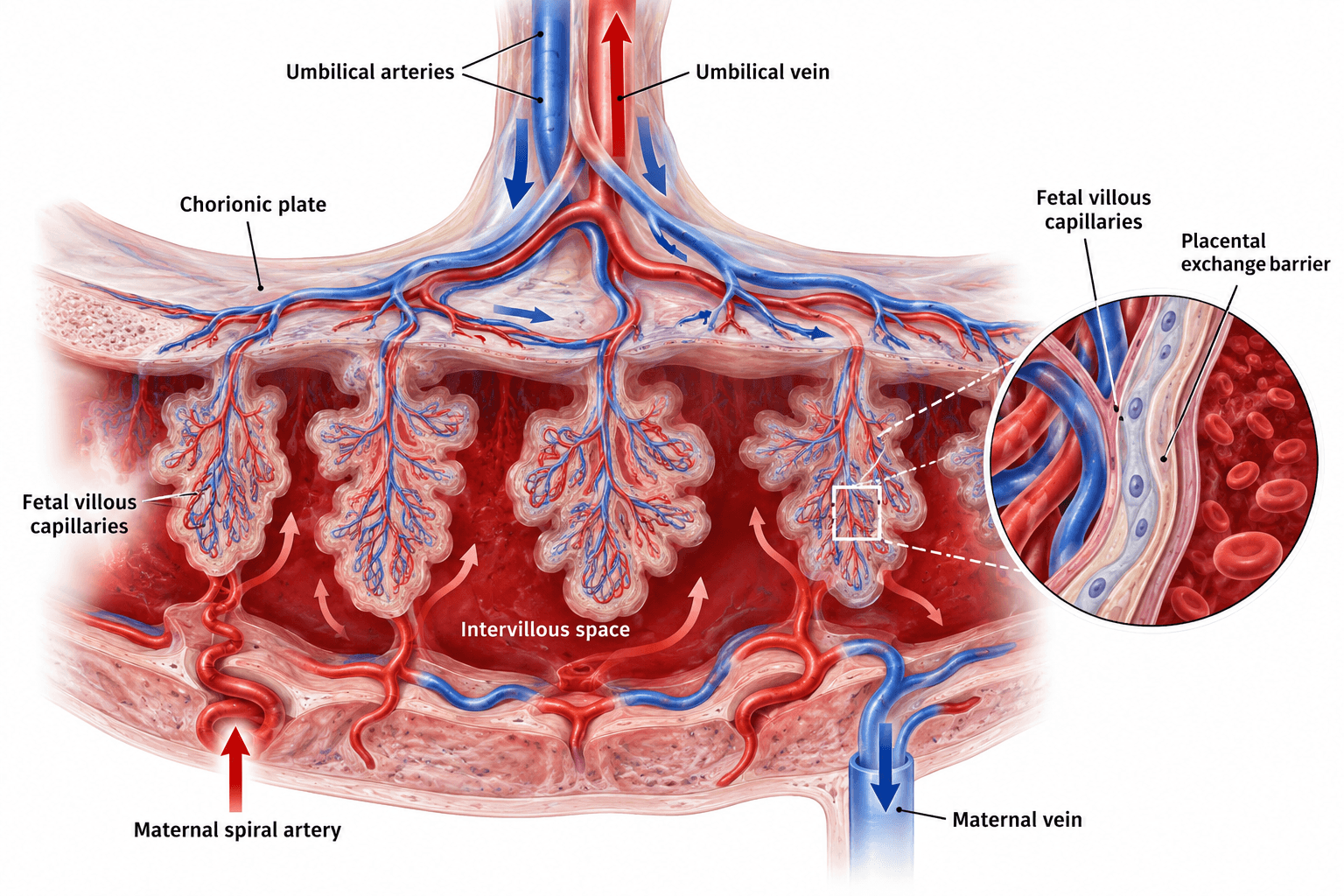
The placenta is a complex vascular network essential to fetal growth and development. The Placental Connection: From Vascular Anatomy to Fetal Well-Being explores fetal placental circulation, tracing blood flow from the umbilical arteries through the chorionic plate and villous vascular system, then back through the umbilical vein.
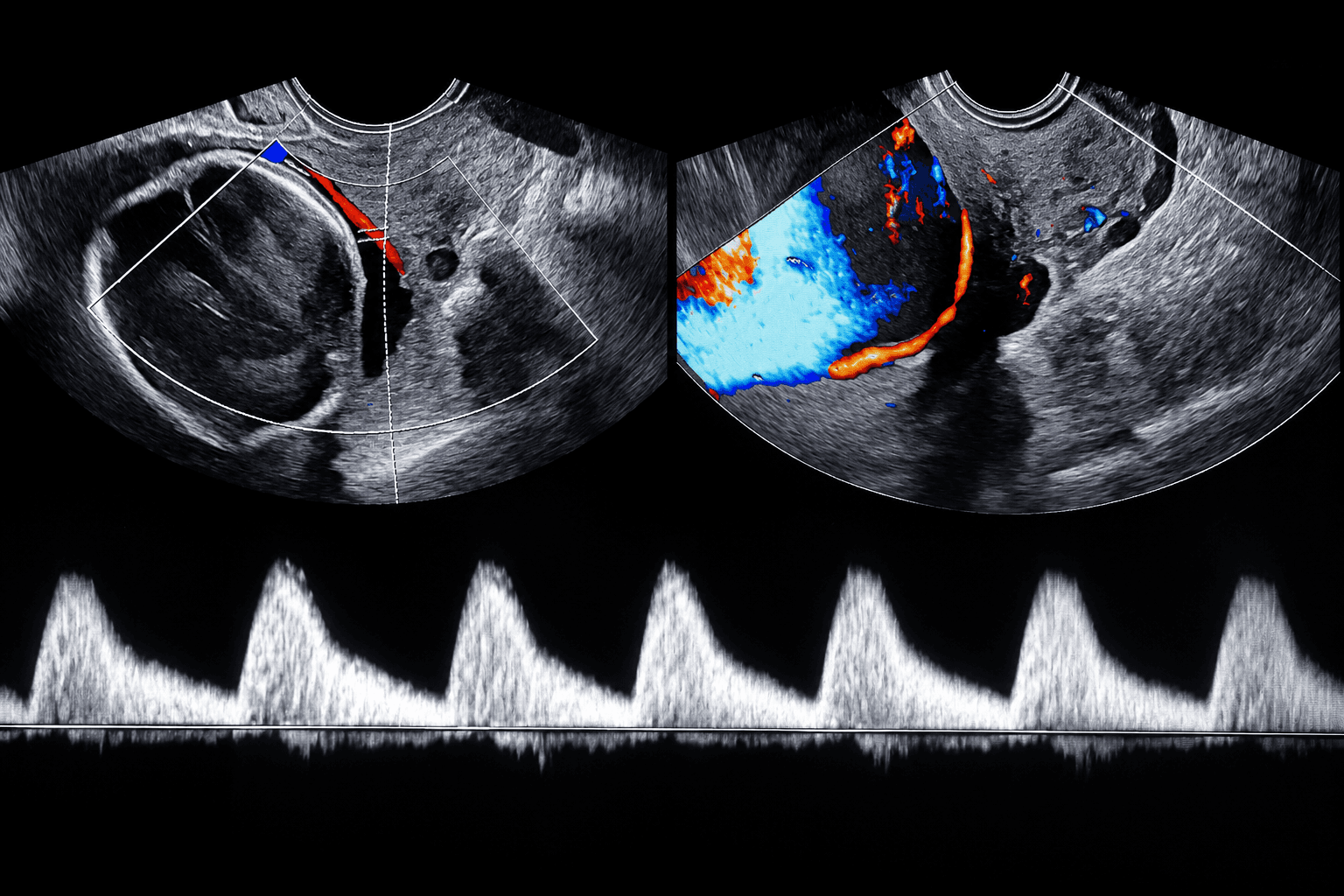
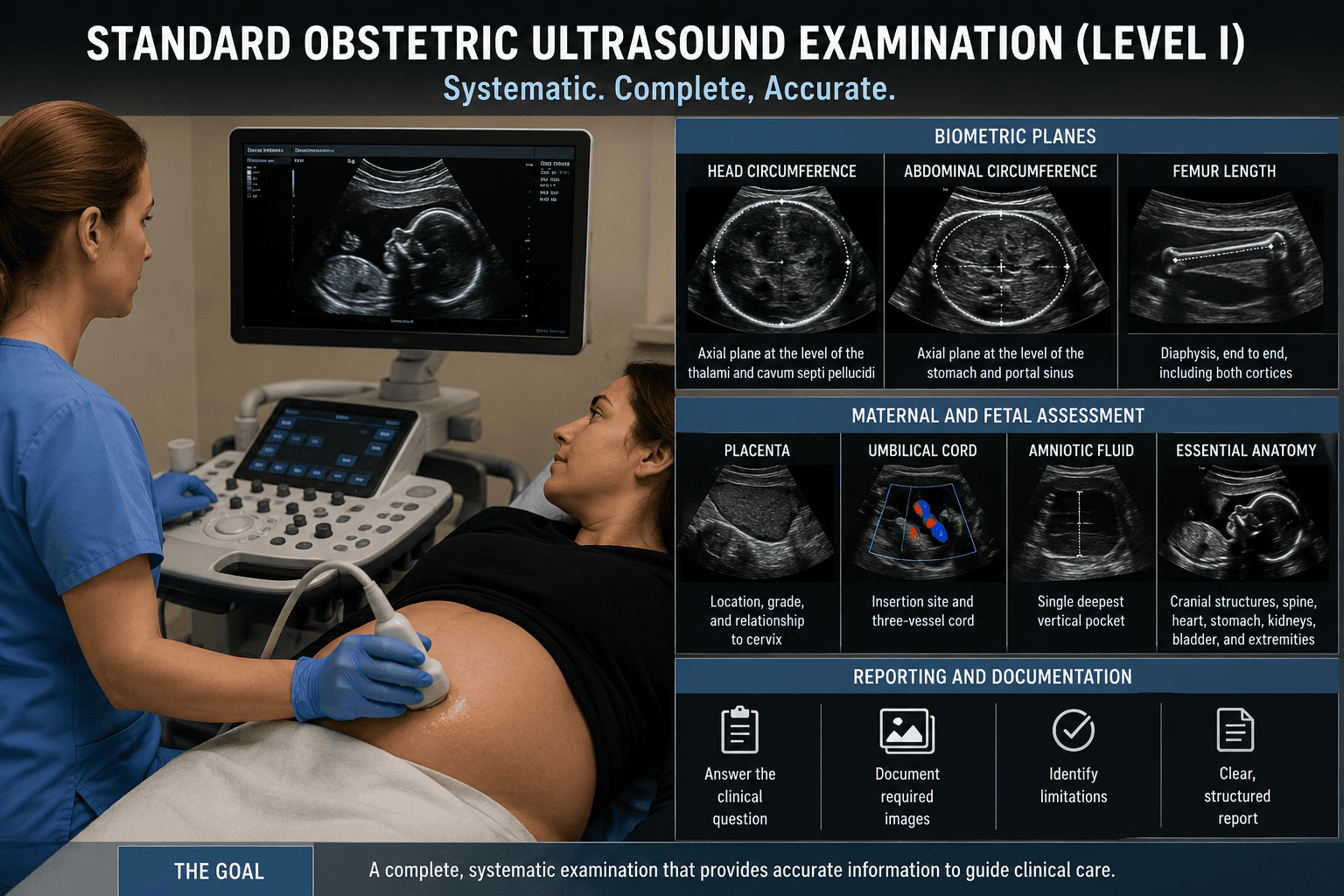
This course examines normal vascular branching patterns, anatomical variations, membranous vessels, and vascular connections associated with placental abnormalities. Through anatomical illustrations, evidence-based discussion, and sonographic applications, participants will explore how grayscale ultrasound and Doppler imaging support vascular assessment and recognition of clinically significant findings, including vasa previa.
Designed for physicians and diagnostic medical sonographers, this educational activity connects placental vascular anatomy with diagnostic interpretation and clinical decision-making to strengthen understanding of placental function and fetal well-being.
Course Content
Credits
* AMA PRA Category 1 Credit™ is designated for and awarded to physicians. Non-physician healthcare professionals, including physician assistants, nurse practitioners, and sonographers may participate in activities accredited for AMA PRA Category 1 Credit™; their respective credentialing and professional organizations independently recognize such participation toward their own continuing education requirements. Organizations that accept AMA PRA Category 1 Credit™-accredited courses toward non-physician CE include ARDMS, CCI, and Sonography Canada.
Course Details
- Duration
- 3.50 hours
- Released
- Nov 11, 2026
- Last Review
- Nov 11, 2026
- Expires
- Nov 10, 2029
Objectives
Upon completion of this educational activity, participants will be able to:
Describe the anatomical organization of fetal placental circulation, tracing blood flow from the umbilical arteries through the chorionic and villous vascular networks and returning through the umbilical vein.
Differentiate normal chorionic plate vascular branching patterns and anatomical variations, including dispersal and magistral vessel distributions.
Distinguish fetal placental vascular pathways from maternal intervillous circulation and explain their respective roles in placental exchange.
Identify sonographic and Doppler techniques used to evaluate chorionic plate vessels, membranous vessels, and vascular connections between placental lobes.
Analyze the clinical significance of abnormal placental vascular pathways, including membranous fetal vessels and vascular configurations associated with vasa previa.
Apply knowledge of placental vascular anatomy and imaging limitations to improve diagnostic interpretation, documentation, and recognition of findings that warrant additional evaluation.
Target Audience
Target Audience *
Radiologists
OB/GYN physicians
Ultrasound professionals
OB/GYN sonographers
Maternal-fetal medicine sonographers
Physicians, advanced practice providers, and interpreting clinicians involved in obstetric imaging
Faculty & Disclosure
Faculty
Lashell Jones RDMS, RDCS
Disclosure
Accreditation
The Institute for Advanced Medical Education is accredited by the Accreditation Council for Continuing Medical Education (ACCME) to provide continuing medical education for physicians.
The Institute for Advanced Medical Education designates this enduring material for a maximum of 3.50 AMA PRA Category 1 Credit™.
Physicians should only claim credit commensurate with the extent of their participation in the activity. Sonographers: These courses are accepted by the American Registry for Diagnostic Medical Sonography (ARDMS), Sonography Canada, Cardiovascular Credentialing International (CCI), and most other organizations.
Non physicians: AMA PRA Category 1 Credit™ is designated for and awarded to physicians. Non-physician healthcare professionals — including physician assistants, nurse practitioners, and others — may participate in activities accredited for AMA PRA Category 1 Credit™; their respective credentialing and professional organizations independently recognize such participation toward their own continuing education requirements.