Cord Insertion Abnormalities: Central vs Marginal vs Velamentous—How to Diagnose
0% Complete
Course Overview
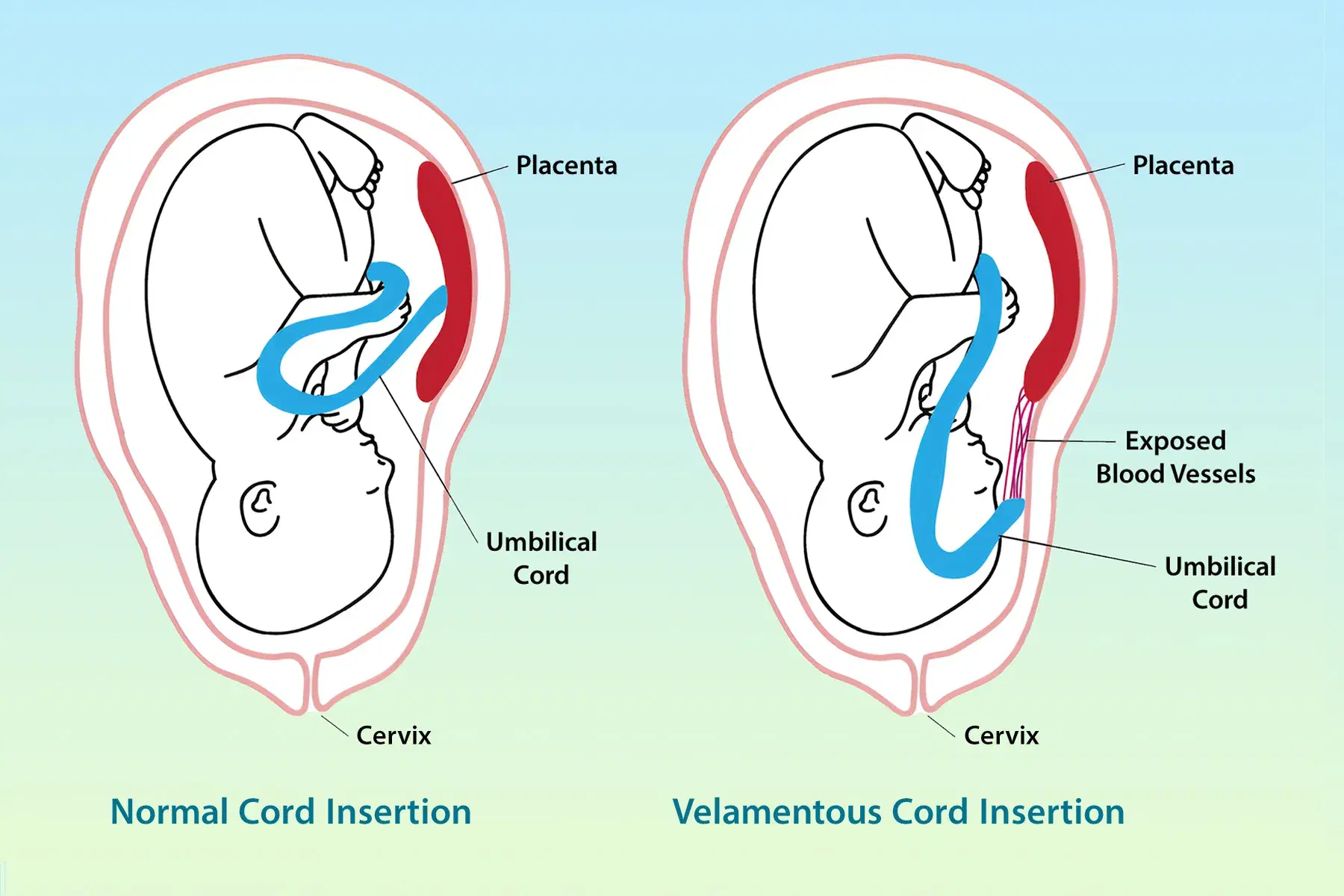
Educational Need / Practice Gap: Misidentification of cord insertion contributes to missed risk (vasa previa, FGR) and inconsistent recommendations.
Objectives
Identify cord insertion type using best-practice imaging technique.
2. Recognize velamentous insertion and its common associated risks.
3. Document insertion findings and recommend appropriate follow-up when indicated.
Content Outline (Subtitles):
● Insertion definitions and examples
● Imaging technique (best planes + Doppler tips)
● Velamentous insertion: key signs
● Marginal insertion: when it matters
● Reporting templates and follow-up considerations
Target Audience
OB ultrasound providers and interpreting clinicians
Faculty & Disclosure
Faculty
Aly Sida (ADMIN)
Disclosure
In compliance with the Essentials and Standards of the ACCME, the author of this CME tutorial is required to disclose any significant financial or other relationships they may have with commercial interests. IAME has assessed conflict of interest with its faculty, authors, editors, and any individuals who were in a position to control the content of this CME activity. Any identified relevant conflicts of interest have been mitigated. IAME's planners, content reviewers, and editorial staff disclose no relationships with ineligible entities.
Credits
* AMA PRA Category 1™ credits are used by physicians and other groups like PAs and certain nurses. Category 1 credits are accepted by the ARDMS, CCI, ACCME, and Sonography Canada.
Course Details
Accreditation
The Institute for Advanced Medical Education is accredited by the Accreditation Council for Continuing Medical Education (ACCME) to provide continuing medical education for physicians.
The Institute for Advanced Medical Education designates this enduring material for a maximum of 1 AMA PRA Category 1 Credit™.
Physicians should only claim credit commensurate with the extent of their participation in the activity. Sonographers: These credits are accepted by the American Registry for Diagnostic Medical Sonography (ARDMS), Sonography Canada, Cardiovascular Credentialing International (CCI), and most other organizations.